Every homeowner knows the sinking feeling of a midnight emergency: the unmistakable sound of a water pipe bursting behind a wall, a sudden power outage that plunges the house into darkness, or a foul odor rising from a completely blocked drainage pipe. These disasters rarely happen at a convenient time. They strike during holidays, late at night, or right before a busy workday.
The traditional approach to home ownership is reactive—waiting until something breaks before fixing it. However, in the demanding climate of the UAE, waiting for a breakdown is an expensive gamble. From intense summer heat that strains electrical distribution boards to heavy mineral deposits that degrade plumbing lines, residential infrastructure requires continuous, proactive care.
At ZAHRAH AL KARZ TECHNICAL SERVICES, we advocate for a shift in mindset: moving from reactive repairs to strategic preventative maintenance. In this article, we will explore the true financial and structural costs of deferred maintenance, how preventative care works across your home’s critical systems, and why investing a little time and money today prevents massive expenses tomorrow.
1. The True Cost of Deferred Maintenance
Human psychology makes it easy to ignore a slow-draining shower or a slight buzzing sound in an electrical socket. If it still works, our brains tell us to leave it alone and save the cash. Unfortunately, building physics does not operate on wishful thinking.
The Domino Effect of Small Issues
Consider a tiny, seemingly harmless leak beneath a kitchen sink. It drips a few drops an hour. Over weeks, it rots the wooden cabinet base, dampens the drywall behind it, and creates a breeding ground for toxic black mold. By the time you notice the warped wood or the musty smell, a simple ten-minute seal replacement has morphed into a multi-thousand-dollar remediation project involving carpentry, drywall replacement, and mold treatment.
The Depreciation Trap
Your home’s mechanical and structural systems—plumbing, electrical wiring, pumps, and drainage—are depreciating assets. Without regular servicing, their operational lifespan drops drastically. A water pump that should run efficiently for eight years might burn out in three if it runs dry repeatedly without a thermal cut-off check. Replacing a pump prematurely costs far more than paying for annual checkups.
2. Plumbing Protection: Stopping Minor Leaks Before They Become Floods
Water is the most destructive element a house faces. Because pipes are largely hidden behind walls, under slabs, or inside ceiling voids, leaks can persist for months before showing visible symptoms.
The Hidden Dangers of Seepage
Slow pipe joint leaks erode structural foundations, ruin floor tiles by breaking the underlying adhesive bed, and stain ceilings if the leak is on an upper floor. In severe cases, constant underground seepage can undermine soil stability around a villa’s perimeter.
What Preventative Plumbing Looks Like
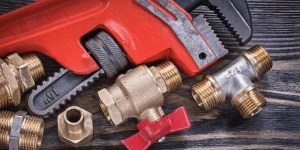
- Pressure Testing: Technicians use pressure gauges to detect micro-drops in system pressure, identifying compromised pipes before they rupture.
- Valve and Fixture Servicing: Replacing worn-out rubber washers, cartridge valves, and flexible supply hoses every few years prevents catastrophic bursting under high municipal water pressure.
- Water Heater Flushing: Draining sediment from your water heater tank annually prevents tank corrosion and maintains heating efficiency, saving both the appliance and your electricity bill.
3. Electrical Preventative Care: Keeping the Current Safe
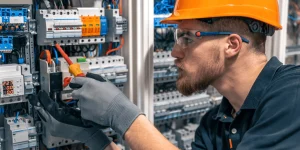
Electricity is not something you want to troubleshoot by trial and error. Because electrical components degrade invisibly through heat cycles and aging insulation, preventative electrical checks are critical for life safety and property protection.
The Heat and Load Factor
Every time you switch on an air conditioner, electric oven, or water heater, current flows through wires, generating heat. Over time, terminal screws inside distribution boards loosen from thermal expansion and contraction. Loose connections create high resistance, sparking microscopic arcs that melt wire insulation and trigger electrical fires.
Key Preventative Electrical Measures
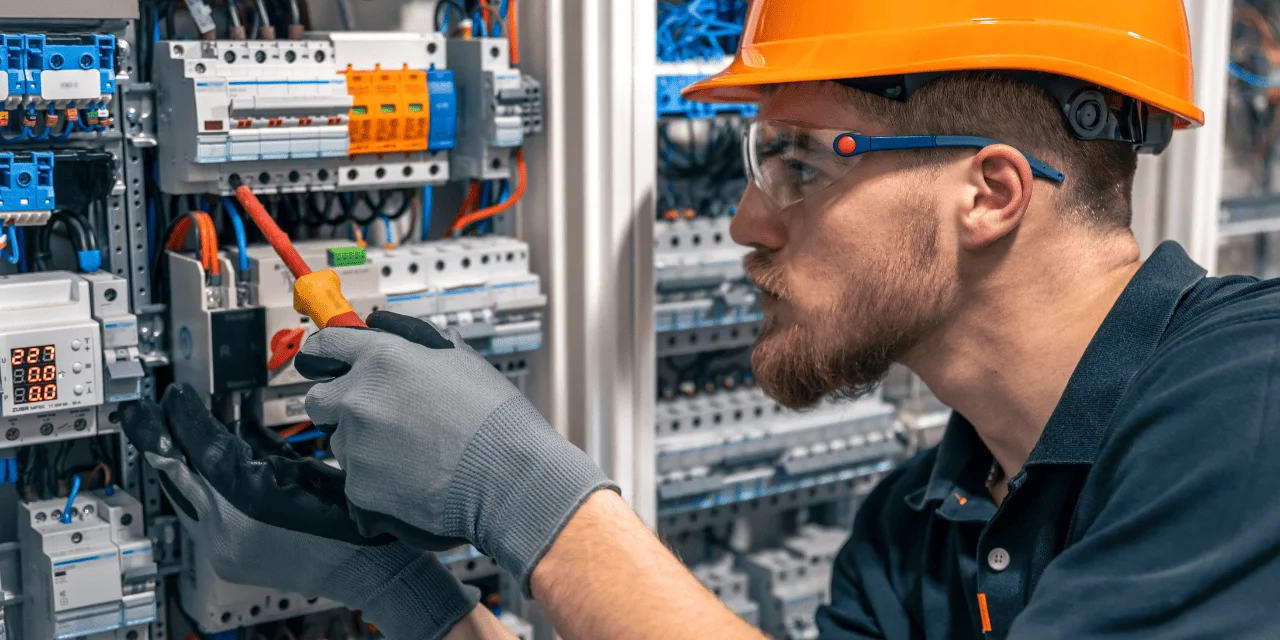
- Thermal Imaging Audits: Professional technicians use infrared cameras to scan distribution boards for hot spots, catching loose or overloaded wires before they fail.
- RCD and Breaker Testing: Testing safety switches ensures they actually trip when an imbalance or short circuit occurs, protecting your family from electrocution.
- Load Balancing: Ensuring that your household power draw is evenly distributed across your phases prevents constant breaker trips and protects sensitive electronics from voltage drops.
4. Drainage Integrity: The Foundation of Sanitation
A clean drainage system is the barrier between a healthy indoor environment and a hazardous bio-sanitary nightmare. When drainage lines fail, the consequences affect your air quality, floor hygiene, and structural integrity.
The Build-Up Reality
Grease, soap scum, hair, and calcium scale accumulate inside drainage lines layer by layer. If left unmanaged, this buildup narrows the pipe diameter until a single foreign object or heavy washing load triggers a total backup, sending raw wastewater back up through ground-floor floor traps.
Proactive Drainage Maintenance Strategies
- Electromechanical Snaking: Periodic professional clearing scrapes the interior pipe walls clean of hardened grease and scale rather than just poking a temporary hole through a clog.
- Vent Stack Inspections: Drainage systems rely on vent stacks to equalize air pressure. If a vent stack gets blocked by debris or bird nests, it siphons water out of your P-traps, allowing sewer gases to flood your bathrooms.
- Floor Trap Sanitization: Regular flushing and inspection of traps ensure that dried-out water seals do not let unpleasant odors and insects into living spaces.
5. Water Pump Longevity: Preserving Peak Pressure
Your water booster pump works hard every single day. Without a structured maintenance routine, it is bound to suffer from cavitation, mechanical wear, or electrical failure at the worst possible time.
Why Pumps Fail Prematurely
Pumps rely on continuous water flow to cool their internal mechanics. If a water supply tank runs empty and the pump keeps cycling, the mechanical seal overheats, cracks, and allows water into the electric motor housing, destroying the unit instantly.
Proactive Pump Servicing Steps
- Pressure Tank Calibration: Checking and adjusting the bladder pressure inside the pressure tank prevents the pump motor from short-cycling every time a tiny amount of water is used.
- Non-Return Valve Checks: Ensuring valves hold pressure correctly stops water from flowing backward, reducing unnecessary motor startups.
- Acoustic and Vibration Checks: Listening for abnormal bearing noises allows technicians to replace a cheap bearing before the entire motor seizes up.
The Smart Financial Equation
Let’s look at the numbers conceptually. Spending a modest amount on a scheduled, comprehensive maintenance contract is a fraction of the cost of emergency call-outs, structural drying, drywall repairs, rewiring, or appliance replacement. Preventative maintenance is not an expense—it is a high-yield investment in your property’s equity and your peace of mind.
Conclusion
You don’t wait for your car engine to explode on the highway before changing the oil; your home infrastructure deserves the exact same level of respect. By establishing a routine checkup schedule for your plumbing, electrical, drainage, and water pump systems, you eliminate the stress of sudden disasters and protect your wallet.
Take control of your property’s health today. Visit us at www.zahraalkarztechnical.com to consult with our expert team at ZAHRAH AL KARZ TECHNICAL SERVICES and set up a customized preventative maintenance plan tailored to your home or commercial space.