Your home is your sanctuary, but keeping it running smoothly requires a bit of vigilance. From a sudden dripping faucet that keeps you awake at night to a flickering light switch or a sluggish drainage system, minor household issues have a funny way of escalating into major emergencies if left unattended.
For property owners and residents in the UAE, the unique climate and heavy reliance on sophisticated home systems mean that routine maintenance isn’t just a chore—it is a necessity. At ZAHRAH AL KARZ TECHNICAL SERVICES, we see firsthand how preventative care saves homeowners time, money, and immense stress.
In this comprehensive guide, we will break down the four pillars of essential home technical services: plumbing, electrical works, drainage, and water pump maintenance. Read on to learn how these systems work, how to spot trouble early, and when it is time to call in the professionals.
1. Plumbing Essentials: Keeping the Lifeblood Flowing
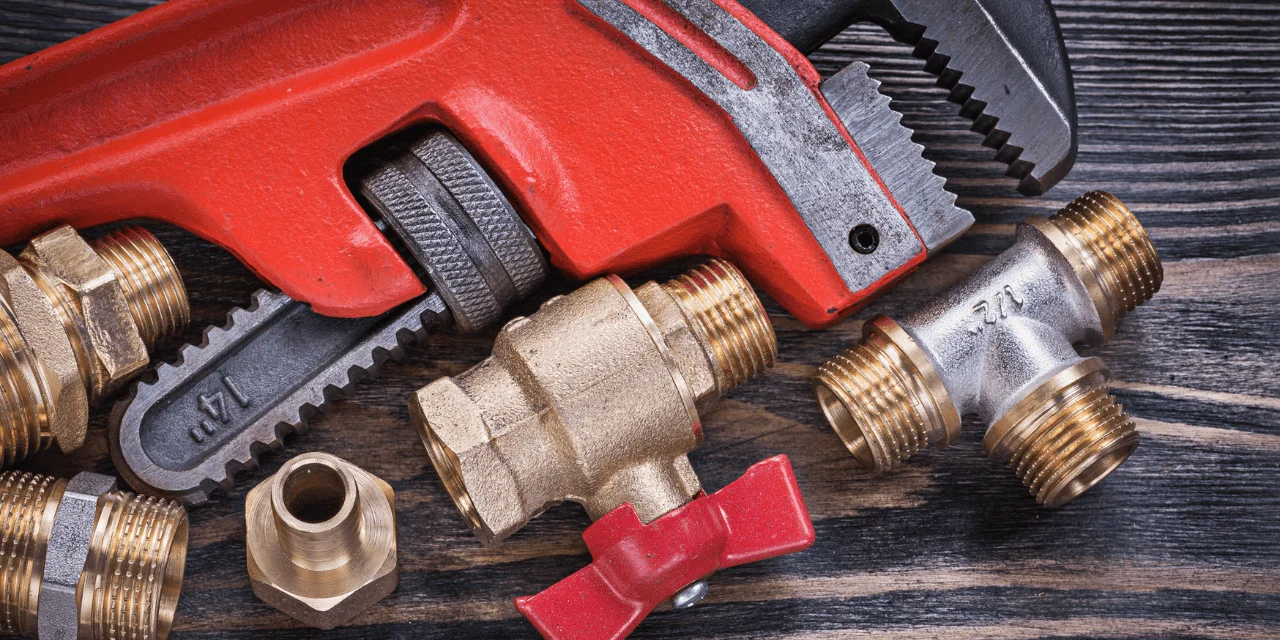
Plumbing is the invisible circulatory system of your home. When it works, you rarely think about it. When it fails, your entire daily routine comes to a screeching halt.
Common Household Plumbing Issues
- Leaky Faucets and Pipes: A single leaking tap might only seem like a minor annoyance, but a drip of one drop per second can waste over 3,000 gallons of water a year. That translates directly into inflated utility bills.
- Running Toilets: Often caused by a faulty flapper valve inside the tank, a running toilet quietly drains thousands of liters without you even noticing.
- Low Water Pressure: Mineral buildup in aerators or hidden pipe corrosion can choke your water flow, making showers frustrating and appliances inefficient.
- Water Heater Failures: Sediment buildup at the bottom of the water heater tank reduces heating efficiency and can lead to premature tank corrosion or leaks.
Preventative Plumbing Tips
- Watch What Goes Down the Drain: Never pour cooking oil, grease, or coffee grounds down the kitchen sink. Grease solidifies inside the pipes, trapping other debris and creating stubborn blockages.
- Insulate Exposed Pipes: While winters in the region are mild, extreme temperature shifts or direct exposure can stress older pipe joints.
- Check Under Sinks Regularly: Make a habit of opening your bathroom and kitchen cabinet doors every few weeks to check for dampness, rust, or slow leaks around the P-trap.
2. Electrical Safety and Efficiency: Powering Your Space
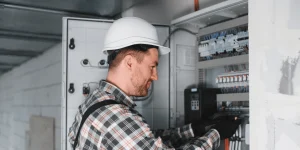
Electricity is powerful, convenient, and essential, but it is also unforgiving. Faulty electrical wiring is one of the leading causes of residential fires worldwide, making safety your absolute top priority.
Signs You Need an Electrician Immediately
- Flickering or Dimming Lights: If your lights dim whenever you turn on a heavy appliance like an AC unit or washing machine, your circuit might be overburdened.
- Warm or Discolored Outlets: Switch plates or outlets that feel warm to the touch, emit a faint buzzing sound, or show scorch marks indicate dangerous wiring or overloaded circuits.
- Frequent Circuit Breaker Tripping: A breaker is designed to trip as a safety measure. If it happens repeatedly on the same circuit, you have an underlying electrical fault that needs diagnosis.
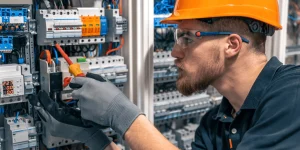
- Outdated Distribution Boards: Older fuse boxes or un-upgraded breaker panels may lack modern safety mechanisms like Residual Current Devices (RCDs), which protect against fatal electric shocks.
Smart Electrical Habits
- Avoid Daisy-Chaining Extension Cords: Plugging a power strip into another power strip creates massive resistance and overheating risks.
- Unplug Unused Appliances: Devices on standby draw “phantom power” and remain vulnerable to sudden power surges.
- Schedule Routine Inspections: Have a certified electrician inspect your property’s wiring every few years, especially if you live in an older villa or apartment.
3. Drainage Systems: Preventing the Backup
Proper drainage is what keeps your property clean, sanitary, and structurally sound. When water has nowhere to go, it finds a way—usually into your walls, flooring, or sub-foundation.
Why Drains Get Blocked
Over time, hair, soap scum, grease, food particles, and even mineral scale coat the interior walls of your drainage pipes. In outdoor or courtyard areas, wind-blown sand, leaves, and dust combine with rain or washing water to form dense sludge blocks inside floor traps.
The Dangers of Ignored Drainage Issues
- Unpleasant Odors: Trapped organic matter decomposes in the pipe, releasing foul sewer gases back up through your floor traps and sinks.
- Slow Drainage: If your shower tray fills up while you are showering, it means the pipe diameter is severely restricted.
- Structural Damage and Seepage: Backed-up water can breach seals, causing dampness in walls, peeling paint, and mold growth that triggers respiratory issues.
Maintaining Clear Drains
- Use Mesh Strainers: Simple drain guards catch hair and debris before they enter the plumbing trap.
- Flush with Hot Water: Weekly, pour a kettle of boiling water down your kitchen and bathroom drains to help melt away soap residues and light grease films.
- Avoid Harsh Chemical Cleaners: Frequent use of aggressive chemical drain openers can corrode metal pipes and degrade PVC joints over time. Professional mechanical clearing is always safer for your plumbing infrastructure.
4. Water Pump Maintenance: The Heart of Your Water Supply
In multi-story villas, standalone homes, and certain residential complexes, water pumps are the unsung heroes responsible for maintaining steady water pressure across all floors and fixtures.
How Water Pumps Work
A booster or transfer pump senses pressure drops in your plumbing line when you open a tap or shower, automatically activating to push water from your underground or rooftop storage tank through the house with consistent force.
Common Water Pump Problems
- Continuous Cycling: If your pump turns on and off rapidly even when no taps are open, you likely have a pressure tank malfunction or a hidden plumbing leak.
- Motor Overheating: Running dry (when the water supply cuts off but the pump keeps trying to run) can burn out the motor windings very quickly.
- Strange Noises: Grinding, squealing, or loud humming usually indicates bearing failure, motor obstruction, or cavitation within the impeller.
- Complete Failure: No water flow from any tap often points to an electrical trip, a blown capacitor, or a seized motor.
Keeping Your Pump in Top Shape
- Install a Float Switch: Ensure your pump has a low-level cut-off or float switch to prevent it from running dry when the main water supply is interrupted.
- Protect from Weather Elements: Outdoor pumps should be housed in a shaded, ventilated enclosure to protect them from direct sun, extreme heat, and heavy rain or dust.
- Routine Pressure Checks: Periodically check the pressure tank air pre-charge to ensure the pump does not overwork itself during everyday operation.
The Value of Professional Technical Services
While DIY tutorials make household fixes look simple, attempting complex electrical work, deep drainage clearing, or pump overhaul without the right tools and training often leads to greater damage and personal safety risks.
Partnering with a trusted, experienced technical team ensures that:
- Diagnoses are accurate, fixing the root cause rather than just the symptom.
- Repairs comply with local safety regulations and building standards.
- Your home installations last longer, preserving your property value.
Conclusion
Maintaining a home doesn’t have to be overwhelming when you tackle it proactively. By understanding how your plumbing, electrical, drainage, and water pump systems interact, you can catch minor issues before they snowball into costly emergencies.
When you need reliable, expert assistance with any of these essential services, ZAHRAH AL KARZ TECHNICAL SERVICES is just a call or click away. Visit us at www.zahraalkarztechnical.com to schedule an inspection, consultation, or emergency repair with our skilled technicians today. Let us keep your home running seamlessly, safely, and efficiently.