When customers walk into your retail store, dine at your restaurant, or enter your corporate office, what is the first thing they notice? They might comment on the interior design, the lighting, or the cleanliness of the reception area. However, the true backbone of any successful commercial establishment isn’t just aesthetic—it is functional.
A sudden plumbing backup in the guest restrooms, a flickering electrical distribution board that shuts down your point-of-sale systems, or a failed water pump that halts kitchen operations can turn a profitable business day into a complete operational disaster. In the fast-paced commercial landscape of the UAE, downtime translates directly into lost revenue, frustrated clients, and damaged brand reputation.
For business owners, facility managers, and commercial landlords, managing property infrastructure requires a specialized, rigorous approach. At ZAHRAH AL KARZ TECHNICAL SERVICES, we partner with commercial entities across the region to ensure their facilities operate smoothly, safely, and without interruption. In this comprehensive guide, we will explore the critical technical components of commercial facility management—plumbing, electrical systems, commercial drainage, and heavy-duty water pumps—and why a dedicated commercial maintenance strategy is essential for your bottom line.
1. Commercial Plumbing: High-Traffic Demands and Rapid Response
Unlike residential plumbing, which serves a single family, commercial plumbing systems endure punishing, high-frequency usage every single day. Restroom fixtures in an office building or restaurant might be flushed hundreds or thousands of times within a standard workweek.
The Realities of Commercial Plumbing Wear and Tear
- Constant Fixture Stress: Flush valves, automatic sensor faucets, and commercial-grade toilets experience mechanical fatigue much faster than residential units. A single stuck flush valve can waste thousands of gallons of water before it is noticed.
- Scale and Sediment Buildup: High usage combined with local water mineral content leads to rapid scaling in commercial water heaters, inline filters, and mixing valves, reducing water temperature and flow efficiency.
- Hidden Restroom Seepage: Slow leaks behind commercial vanity units or under tiled restroom floors can go undetected until structural dampness affects adjacent retail spaces or office corridors.
Best Practices for Commercial Plumbing Management
- Install Commercial-Grade Hardware: Never use residential fixtures in a commercial setting. Invest in heavy-duty brass valves, touchless infrared sensors with reliable battery backups, and reinforced supply lines.
- Implement a Monthly Audit Schedule: Have technicians check all high-traffic restrooms, staff kitchenettes, and supply lines monthly to replace washers, tighten joints, and test shut-off valves.
- Keep Emergency Shut-Offs Accessible: Ensure every floor or distinct zone has clearly marked, fully functional emergency water shut-off valves so staff can isolate a leak instantly without waiting for a plumber to arrive.
2. Commercial Electrical Systems: Powering Operations Without Interruption
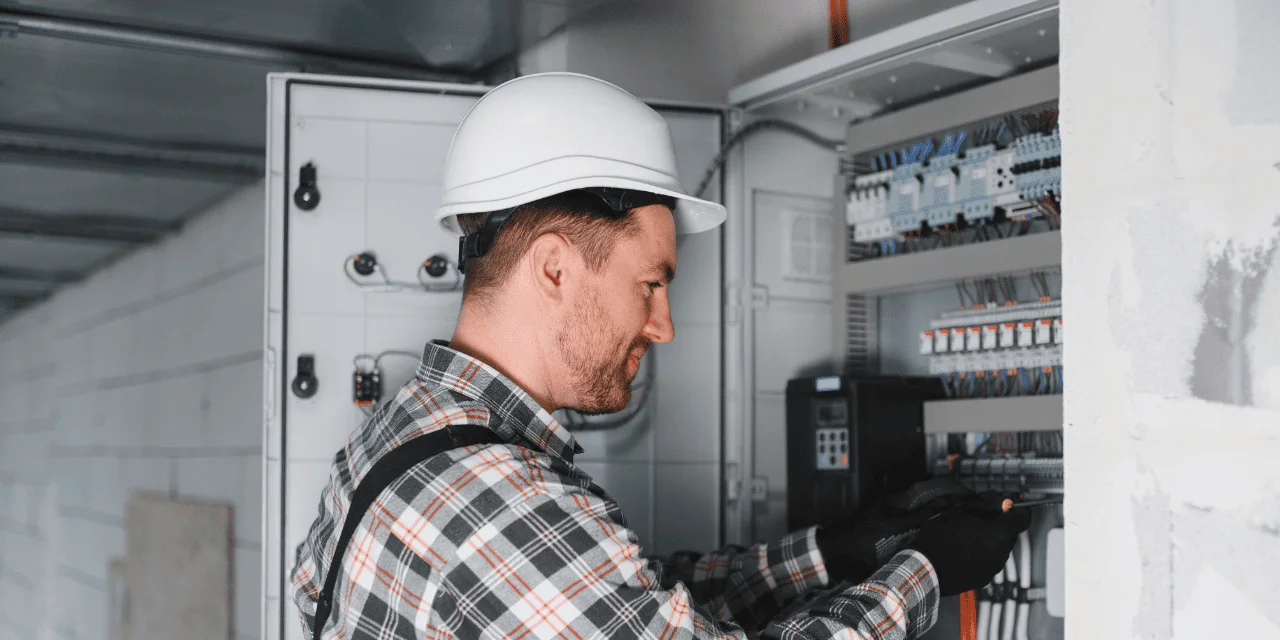
Commercial electrical infrastructure is vastly more complex than standard residential setups. It must support high-draw HVAC chillers, commercial kitchen equipment, extensive server racks, and intense architectural lighting simultaneously.
Common Commercial Electrical Hazards
- Overloaded Distribution Panels: Adding new office equipment, displays, or machinery over the years without upgrading the main circuit breaker panel can lead to severe overheating and dangerous voltage sags.
- Harmonic Distortion: Sensitive electronics, computers, and variable-frequency drives generate electrical harmonics that overheat neutral wires and damage transformers if not properly filtered.
- Emergency Lighting and Fire Alarm Failures: Commercial properties are legally required to maintain functional emergency exit lights and integrated fire alarm power supplies. A neglected battery backup system can lead to compliance violations and severe safety risks during an emergency.
Securing Your Commercial Electrical Grid
- Perform Regular Thermal Scans: Infrared thermography should be conducted bi-annually on all main distribution boards (DBs) to detect invisible hot spots caused by loose connections or overloaded phases.
- Label All Breakers Accurately: In an emergency, maintenance staff need to know immediately which breaker controls a specific zone or appliance. Outdated or inaccurate panel schedules waste critical time.
- Partner with Certified Professionals: Commercial electrical modifications should only be handled by licensed technicians who understand industrial load calculations and regional building codes.
3. Commercial Drainage: Preventing Disastrous Backups in Public Spaces
A drainage failure in a residential home is inconvenient; a drainage failure in a commercial building—such as a restaurant grease trap overflow or a blocked shopping mall floor drain—is an immediate public health and safety violation that can force a temporary shutdown by municipal authorities.
Unique Commercial Drainage Challenges
- Restaurant and Kitchen Grease: Commercial kitchens push massive volumes of fats, oils, and grease (FOG) down floor sinks and dishwashing lines. If grease interceptors are undersized, unheated, or serviced infrequently, FOG solidifies downstream, causing catastrophic blockages.
- Retail and Office Debris: Floor drains in public corridors catch dust, packaging materials, and random waste that accumulate in trap bends over time.
- Storm and Roof Drainage: During rare heavy downpours or washing cycles in outdoor loading bays, blocked exterior storm drains can flood basement parking lots or retail entryways within minutes.
Proactive Commercial Drainage Protocols
- Implement Strict Grease Trap Maintenance: Commercial kitchen grease interceptors must be skimmed, pumped, and sanitized on a strict, recurring schedule—often weekly or bi-weekly depending on kitchen volume.
- Use High-Pressure Hydro-Jetting: Standard manual cabling is insufficient for heavy commercial grease and scale. Periodic hydro-jetting blasts high-pressure water against interior pipe walls, restoring full pipe diameter safely.
- Clear Outdoor Catch Basins: Inspect and clean exterior parking lot grates and roof rain-spout drains before seasonal weather shifts to prevent sudden surface pooling.
4. Heavy-Duty Water Pumps: Maintaining Reliable Commercial Flow
Whether you manage a multi-story hotel, a commercial office tower, or a large industrial warehouse, reliable water supply and fire-suppression pressure rely entirely on robust booster and transfer pump assemblies.
Commercial Pump Vulnerabilities
- Continuous Heavy Load Cycles: Commercial pumps operate under tighter pressure differentials and higher flow rates, causing mechanical seal wear and impeller erosion over time.
- Dry Running and Phase Failure: Industrial motors are vulnerable to electrical phase loss or dry running if low-level float switches fail, resulting in burned-out stators and costly emergency replacements.
- Vibration and Misalignment: Constant operation can loosen baseplate bolts, leading to excessive shaft vibration, bearing wear, and eventual pump cavitation.
Best Practices for Commercial Pump Care
- Deploy Duty-Standby Pump Systems: Critical commercial facilities should always utilize a dual pump configuration—one duty pump and one standby pump—with an automatic changeover controller to ensure zero water supply interruption.
- Vibration and Bearing Monitoring: Regular acoustic checks catch failing motor bearings long before the pump seizes during peak business hours.
- Maintain Backup Power Integration: Ensure your pump control panels are tied into the building’s emergency generator system so water pressure remains stable during municipal power outages.
The Strategic Advantage of a Commercial Maintenance Contract
Trying to manage facility repairs on an ad-hoc basis leads to unpredictable budgeting, extended downtime, and substandard patchwork fixes. By securing a comprehensive Annual Maintenance Contract (AMC) for your business property, you gain a dedicated technical partner who understands your facility’s unique quirks and load requirements.
An effective AMC delivers:
- Priority emergency response times.
- Systematic, scheduled preventative servicing that minimizes unexpected breakdowns.
- Complete regulatory compliance for electrical and sanitary infrastructure.
Conclusion
Your commercial property is a physical investment that directly supports your daily business operations, employee comfort, and client impressions. Neglecting the vital systems running behind your walls and beneath your floors is a risk no modern enterprise should take.
Keep your business running efficiently, safely, and professionally with expert facility support. Visit us at www.zahraalkarztechnical.com to consult with our commercial specialists at ZAHRAH AL KARZ TECHNICAL SERVICES and design a customized preventative maintenance program tailored to your enterprise today.